
An artist goes viral on a Tuesday, gets a think-piece by Thursday, and by the following month the discourse has moved on leaving behind music that, if you actually sit with it, is better than the moment it was given. That cycle has been especially brutal for female rappers, who’ve long had to fight for coverage, hold it, and then defend it again the following year. But something is different now. It’s not one name carrying the weight of an entire conversation anymore. It’s five. It’s ten. It’s a whole room that refuses to thin out.
The five artists below aren’t riding the same wave, but what they share is something harder to manufacture: a point of view that belongs entirely to them. That’s rarer than talent, and it’s exactly why they’re worth your time.
GloRilla
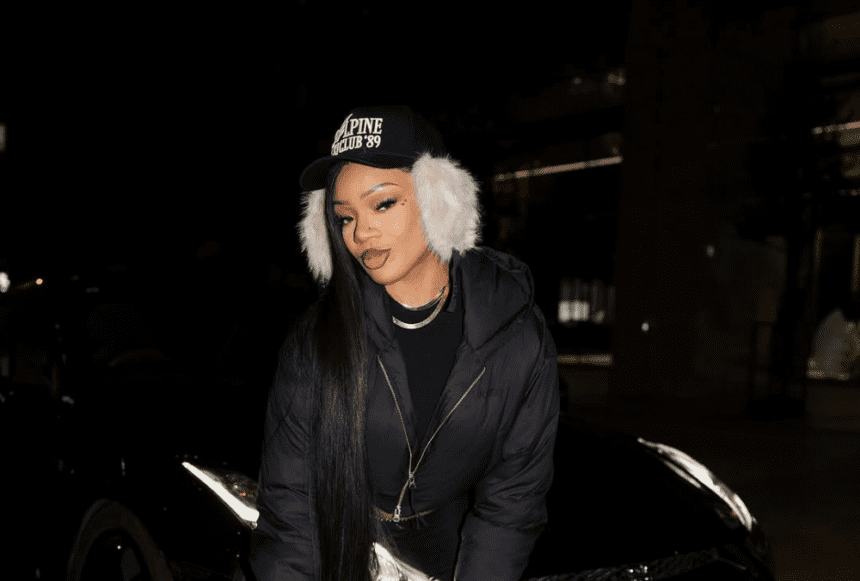
If there’s a single artist who crystallizes why female rap is having its most culturally potent stretch in years, it’s Gloria Hallelujah Woods. GloRilla’s debut album Glorious hit No. 5 on the Billboard 200 in 2024 — the highest first-week debut from a female rapper that year — and her momentum hasn’t slowed since. Three 2026 Grammy nominations followed, including a Best Rap Album nod. Only a handful of women have ever been nominated in that category. Her voice, a deep Memphis drawl built on the bones of crunk and Southern trap, is immediately recognizable and almost impossible to imitate. Recent singles like “MARCH” show an artist deliberately stretching into new emotional terrain.
Lipstick Killer
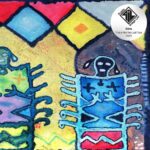
Some artists make music about heartbreak. Lipstick Killer made an entire sonic architecture out of it. The Pittsburgh-born rapper, now releasing under Urban Sixties Records, MPT Records, and Empire, started performing at 12, left college to chase a label deal in Atlanta that never materialized, and still found a way through, fronting bands, winning regional Battle of the Bands competitions, and opening for Ariana Grande along the way. Her trapmetal sound pulls equally from Bone Thugs-N-Harmony and Nirvana, from Jay-Z and Marilyn Manson, and the result sounds like nothing else in the women’s rap space right now. Her debut EP Cigarettes & Heartbreak, born from the collapse of a five-year relationship, is a five-track emotional excavation. Each song goes for the specific wound and trust the listener to feel it. “Real” and “Have A Nice Day” both have music videos now, and both earn them.
BunnaB
There’s an art to making rap that feels genuinely fun without feeling disposable, and BunnaB has it. The East Atlanta rapper, born Ereunna McCoy, raised as the second-oldest of ten kids, channels the late-2000s futuristic era of Southern hip-hop. Her debut EP Ice Cream Summer and its breakout “Bunna Summa” turned her into the sound of summer 2025, racking up over 2 million monthly Spotify listeners and landing placements alongside Metro Boomin and Cash Cobain.
Jorjiana
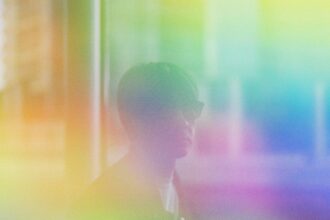
Jorjiana‘s story is almost too good to be true, except that the hardship underneath it is very real. Born on December 31, 2004, she grew up in Michigan City, Indiana, wedged between the Chicago and Detroit rap scenes, absorbing both, with a rough home life that eventually left her raising her newborn son while living out of her car, working three jobs. She kept making music anyway. Her “ILBB2” went viral after an On The Radar performance in late 2024, and the GloRilla remix hit No. 1 on the Viral 50 with over 400K TikTok creations. What distinguishes her beyond the backstory is a genuinely odd, conversational flow — nonchalant, slightly off-beat, glitchy — that sounds like no one else in the current hip-hop landscape.
Samara Cyn
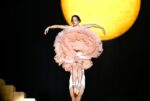
Samara Cyn, the Tennessee-born, LA-based artist who grew up moving across the country as a military kid, writing poetry before she ever wrote a verse, released her second EP Backroads in June 2025 to some of the year’s most unanimous critical praise: top 10 EP at Spin and Hypebeast, 14th best rap album of the year per Billboard. Her neo-soul-inflected flow and agile, syllable-twisting delivery operate in a frequency most rap artists aren’t even looking for. This week she announced Detour, a new EP dropping March 20.
What unites these five — beyond the obvious fact of gender — is a refusal to be interchangeable. GloRilla’s dominance is institutional now; Lipstick Killer is dismantling genre walls in real time; BunnaB is proving that joy in rap requires as much craft as pain; Jorjiana is turning an unconventional flow into a signature; and Samara Cyn is making the case that lyricism still matters, still lands, still builds an audience. That’s not a trend. That’s a foundation. Female rappers have always brought this kind of range to hip-hop. Right now, more people are paying attention, and the music is making sure they stay.